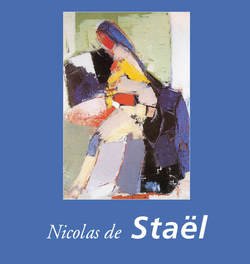
Nicolas de Staël, peintre français de famille russe, est né le 5 janvier 1914 à Saint-Pétersbourg et mort le 16 mars 1955 à Antibes. Son œuvre fut très fortement influencée par Cézanne, Van Gogh,...
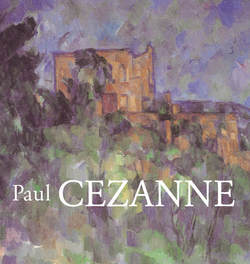
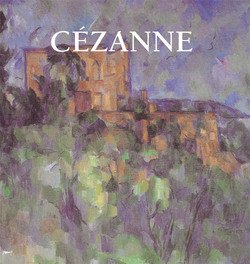
Cézannes glücklichste Zeit war seine frühe Jugend in der Provence, wo er zusammen mit Zola und einem anderen Freund in der Natur umherstreifte. Ermutigt durch Renoir, stellte er 1874 und 1877 zusammen...
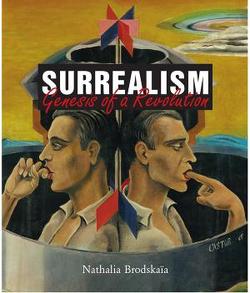
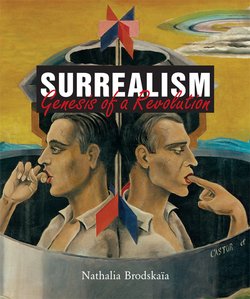
The Dada movement and then the Surrealists appeared in the First World War aftermath with a bang: revolution of thought, creativity, and the wish to break away from the past and all that was left in...
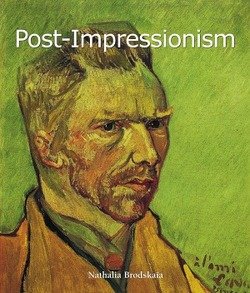
Whilst Impressionism marked the first steps toward modern painting by revolutionising an artistic medium stifled by academic conventions, Post-Impressionism, even more revolutionary, completely...
Since his death 200 years ago, Cézanne has become the most famous painter of the nineteenth century. He was born in Aix-en-Provence in 1839 and the happiest period of his life was his early youth in...
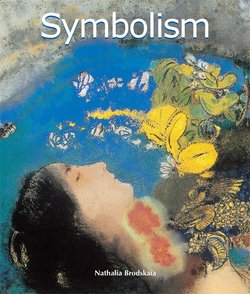
Symbolism appeared in France and Europe between the 1880s and the beginning of the 20th century. The Symbolists, fascinated with ancient mythology, attempted to escape the reign of rational thought...
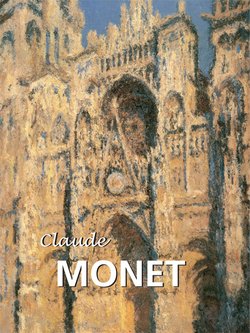
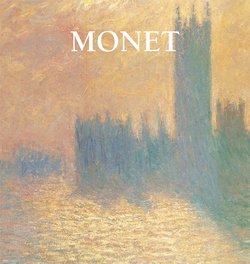
For Claude Monet the designation ‘impressionist’ always remained a source of pride. In spite of all the things critics have written about his work, Monet continued to be a true impressionist to the...
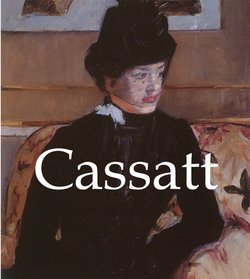
Mary was born in Pittsburgh. Her father was a banker of liberal educational ideas and the entire family appears to have been sympathetic to French culture. Mary was no more than five or six years old...
For Claude Monet the designation ‘impressionist’ always remained a source of pride. In spite of all the things critics have written about his work, Monet continued to be a true impressionist to the...
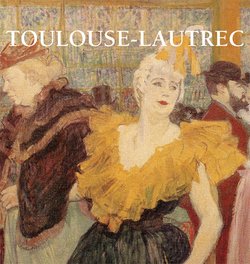
Lautrec studied with two of the most admired academic painters of the day, Léon Bonnat and Fernand Cormon. Lautrec’s time in the studios of Bonnat and Cormon had the advantage of introducing him to...
Surrealists appeared in the aftermath of World War I with a bang: revolution of thought, creativity, and the wish to break away from the past and all that was left in ruins.This refusal to integrate...
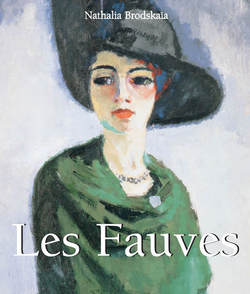
Apparu à l’aube du XXe siècle, le Fauvisme explosa sur la scène artistique lors du Salon d’automne de 1905 en un scandale retentissant. En jetant des couleurs pures sur la toile, les fauves défièrent...
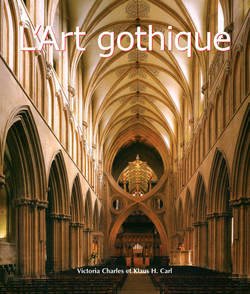
Développé à travers l’Europe pendant plus de 200 ans, l’art gothique est un mouvement qui trouve ses racines dans la puissante architecture des cathédrales du nord de la France. Délaissant la rondeur...
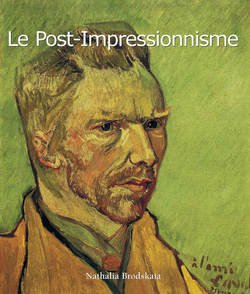
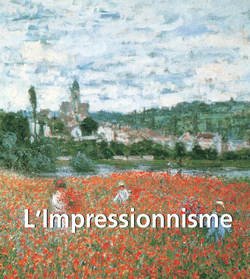
Si l’Impressionnisme marqua les premiers pas vers la peinture moderne en révolutionnant un milieu artistique étouffé par les conventions académiques, le Post-Impressionnisme, plus révolutionnaire...
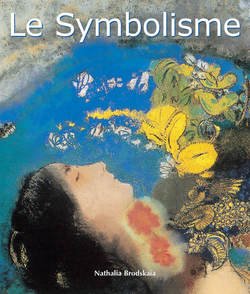
Entre 1880 et les premières années du XXe siècle, le Symbolisme voit le jour en France et en Europe. Les symbolistes, fascinés par les mythologies anciennes, tentent d’échapper au règne de la pensée...
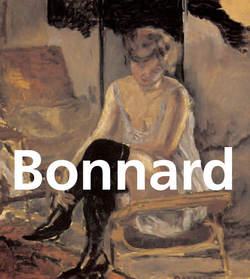
Pierre Bonnard était le chef d’un groupe de peintres post-impressionnistes. Ils se nommèrent eux-mêmes les Nabis, du mot hébreux signifiant ‘prophète’. Bonnard, Vuillard, Roussel, Denis, les plus...
Quel nom conviendrait mieux à cet art dont Émile Zola écrivait que «jamais auparavant des peintures ne lui avaient paru posséder une telle dignité. On peut presque entendre les voix intérieures de la...
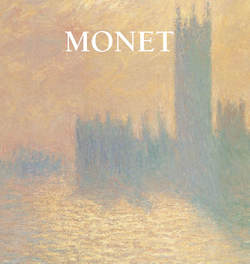
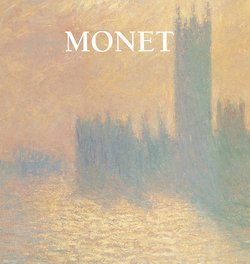
Claude Monet (Paris, 1840 – Giverny, 1926) Pour Claude Monet, le qualificatif d'impressionniste est toujours resté un sujet de fierté. Malgré tout ce que les critiques ont pu écrire sur son oeuvre,...
Claude Monet (Paris, 1840 – Giverny, 1926)
Pour Claude Monet, le qualificatif d'impressionniste est toujours resté un sujet de fierté. Malgré tout ce que les critiques ont pu écrire sur son oeuvre,...
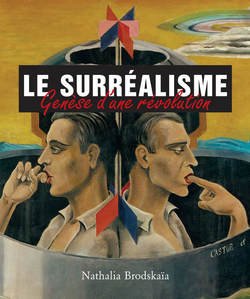
Installés avec fracas dans l'après-guerre de 1914-1918, les surréalistes déclarèrent la révolution de la pensée, de la création et réclamèrent une rupture entre le monde d'hier et celui qui était à...