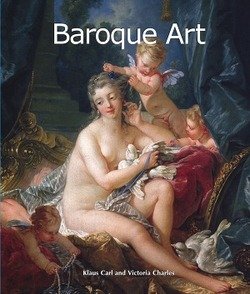
The Baroque period lasted from the beginning of the seventeenth century to the middle of the eighteenth century. Baroque art was artists’ response to the Catholic Church’s demand for solemn grandeur...
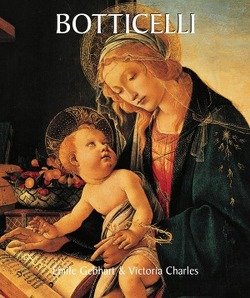
Sandro Botticelli (Alessandro di Mariano Filipepi) (Florence, 1445 – 1510) Botticelli était le fils d'un citoyen jouissant d'une situation confortable, et avait été «instruit dans toutes les choses...
The detailed description how to draw a female body. For beginners it will be very useful.
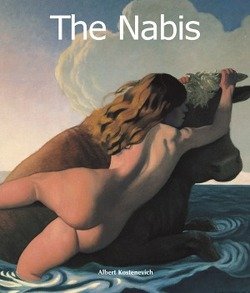
Pierre Bonnard was the leader of the group of post-impressionist painters who called themselves “the Nabis”, from the Hebrew word for “prophet”. Influenced by Odilon Redon, Puvis de Chavannes, popular...
Rubens and Brueghel: A Working Friendship is the first international loan exhibition devoted to the artists’ collaborative works and an investigation of their working methods. Assembled here are...
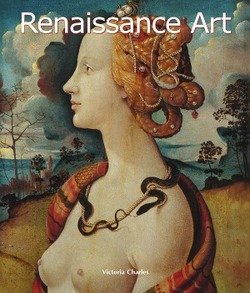
The Renaissance began at the end of the 14th century in Italy and had extended across the whole of Europe by the second half of the 16th century. The rediscovery of the splendour of ancient Greece and...
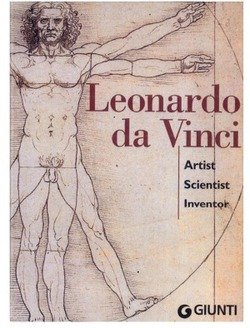
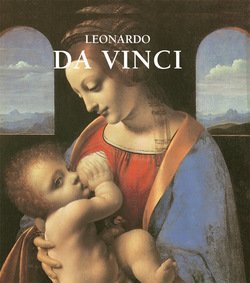
This is a stunningly illustrated survey of Leonardo (1452-1519) as artist, scientist, and inventor. This engrossing study of the man who painted the "Mona Lisa", was a student of anatomy, and...
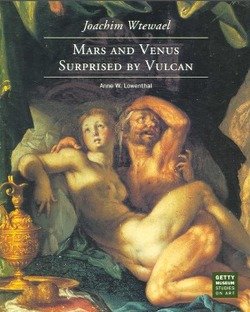
The Dutch history painter Joachim Wtewael is widely admired for his astonishing small paintings on copper. The Getty Museum’s Mars and Venus Surprised by Vulcan is one of his finest works in this...
Земля – наш общий дом. И в течение всей своей жизни на планете человек пытался показать Природе, кто в этом доме хозяин. Мы, не задумываясь о будущем, не помнили о том, что пришли из матери-Земли и в...
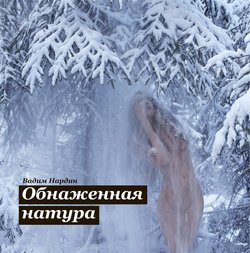
Фотография ню – это искусство на грани. Она должна не просто вызвать желание, но зацепить красотой линий тела, построением кадра, игрой света и тени, оригинальной идеей.
Альбом молодого фотографа...
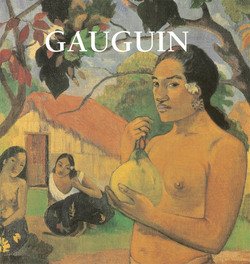
Paul Gauguin was first a sailor, then a successful stockbroker in Paris. In 1874 he began to paint at weekends as a Sunday painter. Nine years later, after a stock-market crash, he felt confident of...
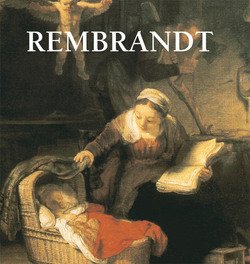
Rembrandt is completely mysterious in his spirit, his character, his life, his work and his method of painting. What we can divine of his essential nature comes through his painting and the trivial...
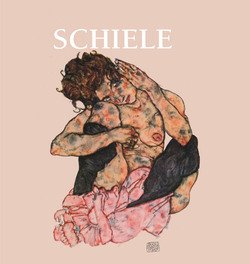
Egon Schiele’s work is so distinctive that it resists categorisation. Admitted to the Vienna Academy of Fine Arts at just sixteen, he was an extraordinarily precocious artist, whose consummate skill...
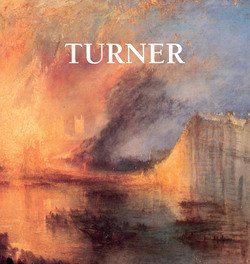
At fifteen, Turner was already exhibiting View of Lambeth. He soon acquired the reputation of an immensely clever watercolourist. A disciple of Girtin and Cozens, he showed in his choice and...
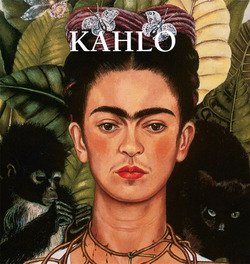
Behind Frida Kahlo’s portraits, lies the story of both her life and work. It is precisely this combination that draws the reader in. Frida’s work is a record of her life, and rarely can we learn so...
Leonardo’s early life was spent in Florence, his maturity in Milan, and the last three years of his life in France. Leonardo’s teacher was Verrocchio. First he was a goldsmith, then a painter and...
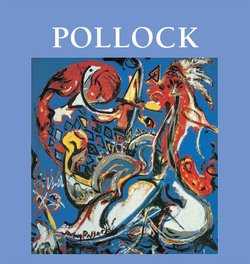
Born in 1912, in a small town in Wyoming, Jackson Pollock embodied the American dream as the country found itself confronted with the realities of a modern era replacing the fading nineteenth...