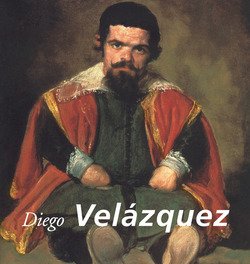
Diego Rodríguez de Silva y Velázquez (June 1599 – August 6 1660), known as Diego Vélasquez, was a painter of the Spanish Golden Age who had considerable influence at the court of King Philip IV. Along...
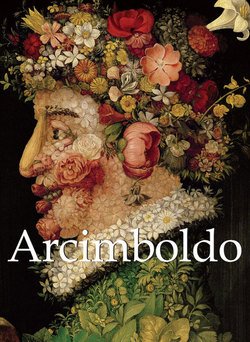
If, as the famous saying goes, you really are what you eat, then Giuseppe Arcimboldo (1527-1593) was a consummate painter of the human soul. This artist was a master draftsman whose finely wrought...
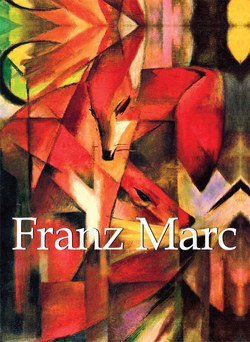
Condemned by the Nazis as a degenerate artist, Franz Marc (1880-1916) was a German painter whose stark linearity and emotive use of color eloquently expressed the pain and trauma of war. In work such...
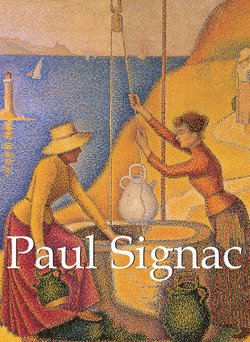
Inspired by Monet’s work at a young age, Paul Signac (1863-1935) was a friend and disciple of Georges Seurat who combined the scientific precision of pointillism with the vivid colors and emotional...
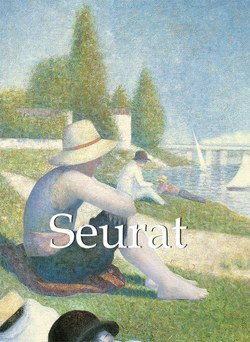
Universally celebrated for the intricacy of his pointillist canvases, Georges Seurat (1859-1891) was a painter whose stunning union of art and science produced uniquely compelling results. Seurat’s...
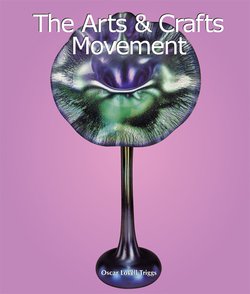
“Have nothing in your house that you do not know to be useful, or believe to be beautiful.” This quote alone from William Morris could summarise the ideology of the Arts & Crafts movement, which...
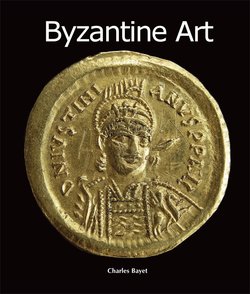
For more than a millennium, from its creation in 330 CE until its fall in 1453, the Byzantine Empire was a cradle of artistic effervescence that is only beginning to be rediscovered. Endowed with the...
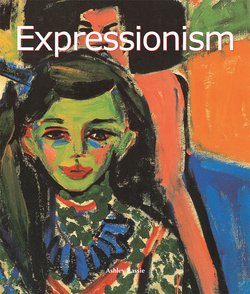
Max Beckmann, Otto Dix, George Grosz, Emil Nolde, E.L. Kirchner, Paul Klee, Franz Marc as well as the Austrians Oskar Kokoschka and Egon Schiele were among the generation of highly individual artists...
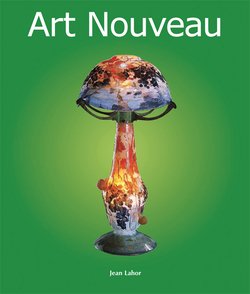
Art Nouveau gives a name to the decorative and architectural style developed in the 1880s and 1890s in the West. Born in reaction to the Industrial Revolution and to the creative vacuum it left...
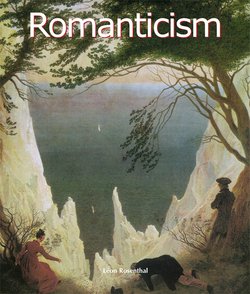
Romanticism was a reaction against the Neoclassicism that invaded the 19th century, and marked a veritable intellectual rupture. Found in the writings of Victor Hugo and Lord Byron, amongst others,...
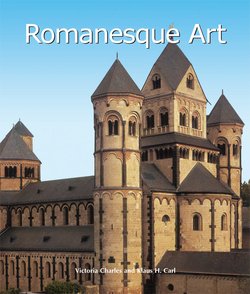
In art history, the term ‘Romanesque art’ distinguishes the period between the beginning of the 11th and the end of the 12th century. This era showed a great diversity of regional schools each with...
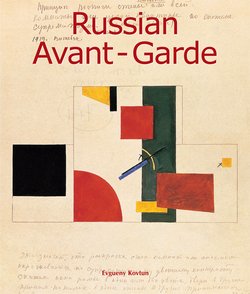
The Russian Avant-garde was born at the turn of the 20th century in pre-revolutionary Russia. The intellectual and cultural turmoil had then reached a peak and provided fertile soil for the formation...
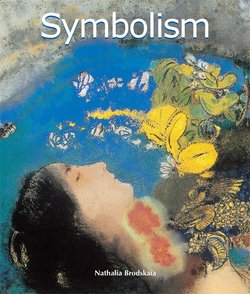
Symbolism appeared in France and Europe between the 1880s and the beginning of the 20th century. The Symbolists, fascinated with ancient mythology, attempted to escape the reign of rational thought...
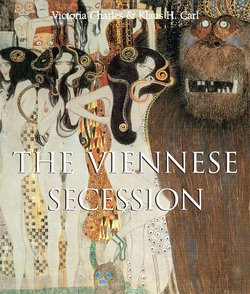
A symbol of modernity, the Viennese Secession was defined by the rebellion of twenty artists who were against the conservative Vienna Künstlerhaus' oppressive influence over the city, the epoch, and...
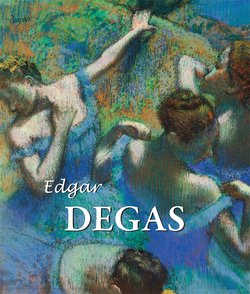
Degas was closest to Renoir in the impressionist’s circle, for both favoured the animated Parisian life of their day as a motif in their paintings. Degas did not attend Gleyre’s studio; most likely he...
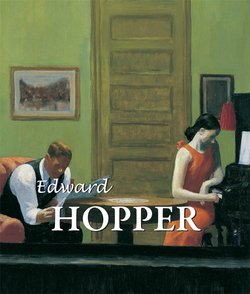
In his works, Hopper poetically expressed the solitude of man confronted to the American way of life as it developed in the 1920s. Inspired by the movies and particularly by the various camera angles...
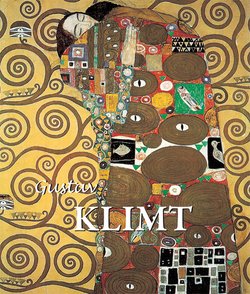
“I am not interested in myself as a subject for painting, but in others, particularly women…”Beautiful, sensuous and above all erotic, Gustav Klimt’s paintings speak of a world of opulence and...
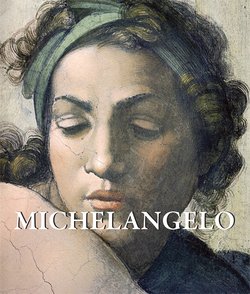
Michelangelo, like Leonardo, was a man of many talents; sculptor, architect, painter and poet, he made the apotheosis of muscular movement, which to him was the physical manifestation of passion. He...
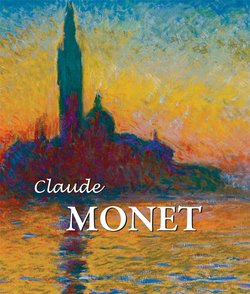
For Claude Monet the designation ‘impressionist’ always remained a source of pride. In spite of all the things critics have written about his work, Monet continued to be a true impressionist to the...
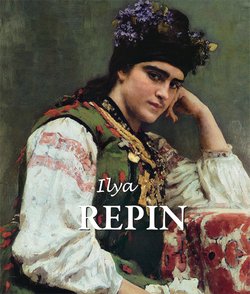
Ilya Repin was the most gifted of the group known in Russia as “The Itinerants”. When only twelve years old, he joined Ivan Bounakov’s studio to learn the icon-painter’s craft. Religious...